CloseClose

You already know stress doesn't feel good. But you might not realize how directly it can reshape your body, especially when it comes to weight. If you've been eating well, staying reasonably active, and still watching the scale climb, stress may be playing a bigger role than you think.
April is Stress Awareness Month, recognized every year since 1992 to draw attention to the ways chronic stress quietly undermines our health. This year, it feels especially relevant. The American Psychological Association's 2025 Stress in America survey found that stress levels remain stubbornly high across the country, with women, working-age adults, and those dealing with job insecurity hit the hardest. Nearly seven in ten employed adults identified work as a major source of personal stress.
For a lot of us, that stress isn't just mental; it's reshaping our metabolism in ways we can't always see. Understanding the connection between stress, cortisol, and weight gain can help explain why effort alone sometimes isn't enough.
Your body responds to stress from all kinds of sources: a looming deadline, financial pressure, a tough conversation, and chronic sleep deprivation. Any of these can activate your hypothalamic-pituitary-adrenal (HPA) axis, which triggers your adrenal glands to release cortisol, often called the “stress hormone.”
Cortisol is genuinely useful in short bursts. It sharpens your focus, mobilizes energy, and helps you respond to immediate challenges. The trouble starts when stress becomes a daily fixture; your cortisol levels stay elevated far longer than they should, and your body starts to change in ways you can see and feel.
Chronically elevated cortisol ramps up your appetite, especially for calorie-dense comfort foods high in sugar and fat. It promotes fat storage in your abdominal area, where visceral fat surrounds your internal organs and is most closely associated with cardiovascular disease, type 2 diabetes, and metabolic syndrome. It also disrupts your sleep, which raises cortisol even further. As Northern Medical Center noted in a February 2026 analysis, cortisol is actually one of the few hormones that can trigger the creation of entirely new fat cells, and it does so preferentially in your visceral fat tissue.
In a March 2026 episode of CNN's Chasing Life, Stanford neuroscientist Dr. Robert Sapolsky explained the mechanism clearly: cortisol mobilizes glucose during a stressful event, but it sticks around long after the stressor ends. During that recovery phase, it promotes the return of glucose to your storage sites, essentially replenishing fat reserves your body never actually burned. Over time, that process adds up.
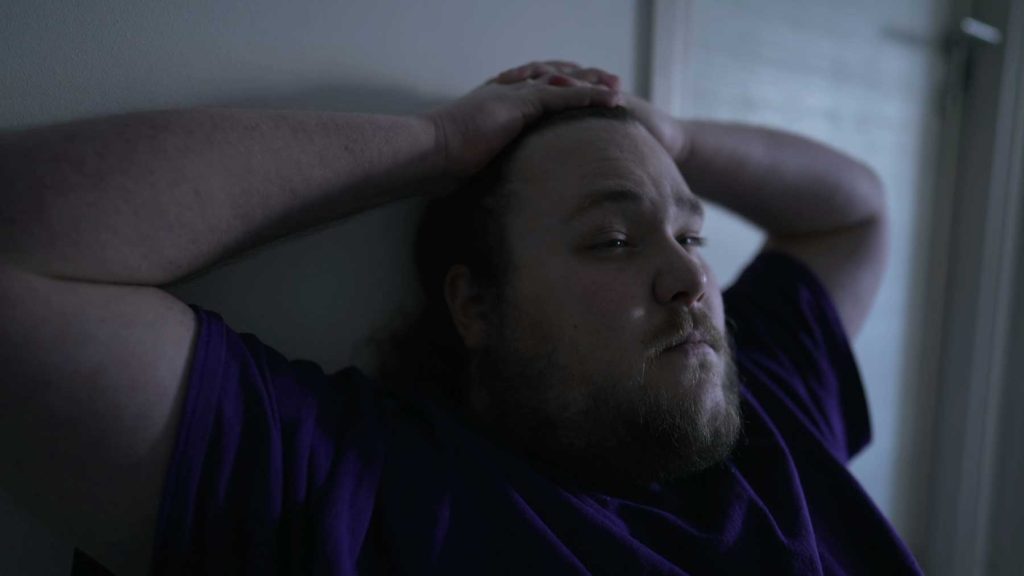
One of the most disruptive effects of chronic stress is how it wreaks havoc on your sleep. Elevated cortisol in the evening, when your levels should naturally be at their lowest, makes it harder to fall asleep and harder to stay asleep. Poor sleep then throws off your hunger hormones: it lowers leptin (which signals fullness) and raises ghrelin (which triggers hunger). You wake up hungrier, craving exactly the kinds of foods that promote more weight gain.
If you've lived with this cycle, you know what it feels like. Stress disrupts sleep. Poor sleep increases hunger. Increased hunger leads to eating patterns that raise blood sugar and promote fat storage. And the additional weight, especially visceral fat, becomes its own source of metabolic stress that keeps the whole loop going. It can feel like treading water; a tremendous amount of effort just to stay in place.
The APA's 2025 Work in America survey backs this up: more than half of U.S. workers said job insecurity is having a significant impact on their stress levels. That kind of sustained pressure doesn't just wear you down emotionally; it drives metabolic changes that increase cravings for high-calorie foods and reinforce a pattern of emotional eating over time.
The most frustrating part of stress-related weight gain is the feeling that you should be able to control it. You might blame yourself for reaching for snacks at night or skipping workouts because you're exhausted. But the science is clear: chronic stress fundamentally alters the way your body processes food, stores fat, and regulates energy.
Cortisol doesn't just increase your appetite; it changes what you crave. Research shows that stress hormones enhance the rewarding properties of highly palatable foods, making comfort foods genuinely taste better when you're stressed. Your brain is being primed to seek out calorie-dense food to manage an overstimulated stress system. That's a neurochemical response, and you shouldn't beat yourself up over it.
Elevated cortisol also impairs your insulin sensitivity, which means your body becomes less efficient at using blood sugar for energy and more inclined to store it as fat. When you layer in the sleep disruption and appetite changes we've already talked about, the deck is genuinely stacked against anyone trying to manage weight through discipline alone while dealing with chronic stress. That's why medical weight management, including GLP-1 medications, has become such an important option for people whose biology is making progress harder than it should be.
GLP-1 receptor agonist medications work by mimicking a natural gut hormone that regulates appetite, blood sugar, and digestion. As we covered in our previous article on GLP-1 basics, these medications slow gastric emptying, help you feel full longer, and reduce the persistent mental focus on food that many people describe as “food noise.”
They're especially relevant in the context of stress because they address several of the mechanisms that chronic cortisol exploits. When cortisol ramps up your appetite and cravings, GLP-1 medications help restore a more balanced sense of hunger and satiety. When stress promotes visceral fat accumulation and insulin resistance, the metabolic improvements associated with GLP-1 treatment, including potential improvements in blood sugar regulation and reductions in abdominal fat, may help address those effects over time.
For many patients, the most noticeable change is something simpler: breathing room. When the constant pull of cravings quiets down, when meals feel satisfying rather than urgent, and when the scale starts reflecting your effort, the psychological burden of stress begins to ease too. That relief can create the space you need to build healthier habits and actually sustain them.

Medical treatment is one piece of the picture. Addressing stress itself is the other, and you don't need to do it perfectly. You just need to do it consistently, with a healthy dose of self-compassion.
Protect your sleep. Aim for seven to nine hours per night. Keep your room cool and dark, limit screen time before bed, and try to maintain a consistent schedule. Poor sleep elevates cortisol, disrupts hunger hormones, and undermines every other healthy habit you're building.
Move your body, but listen to it. Regular moderate exercise, such as walking, swimming, yoga, and strength training, reduces cortisol and improves mood. Intense workouts when you're already stressed can actually spike cortisol further, so a consistent 20 to 30-minute walk often does more than an occasional punishing gym session.
Eat consistently. Skipping meals raises cortisol. If you're on a GLP-1 medication and your appetite is reduced, focus on smaller nutrient-dense meals with adequate protein rather than going long stretches without eating.
Build in moments of calm. You don't need an hour of meditation. Five minutes of slow breathing, a short walk outside, or a few minutes of quiet can meaningfully lower your cortisol. The American Heart Association recommends mindfulness, physical activity, and relaxation techniques as key strategies for managing stress and its impact on heart health.
Talk to someone. Whether it's a friend, a therapist, or a healthcare provider, social connection is one of the most powerful buffers against chronic stress. You don't have to figure this out alone.
If you've been working hard and not seeing results, stress may be a factor you haven't fully addressed. The connection between chronic stress, cortisol, and weight gain is real, well-studied, and increasingly well-understood. And there are effective tools, both medical and behavioral, that can help you break the cycle.
At VitalCore Health, we understand what it's like to feel stuck, because many of us on the team have been there ourselves. Our licensed medical providers take the time to understand your health history, your daily realities, and your goals, and determine whether GLP-1 treatment may be appropriate for you. When a prescription is the right fit, it's fulfilled through a licensed pharmacy. You'll receive guidance on what to expect as treatment progresses.
This content is for educational purposes only and is not medical advice. Consult a licensed healthcare provider before making any changes to your health care or treatment. VitalCore Health is a telehealth platform that connects patients with licensed healthcare providers. Treatment decisions, including whether medication is appropriate, are made solely by a licensed provider following individual evaluation. Individual results vary.